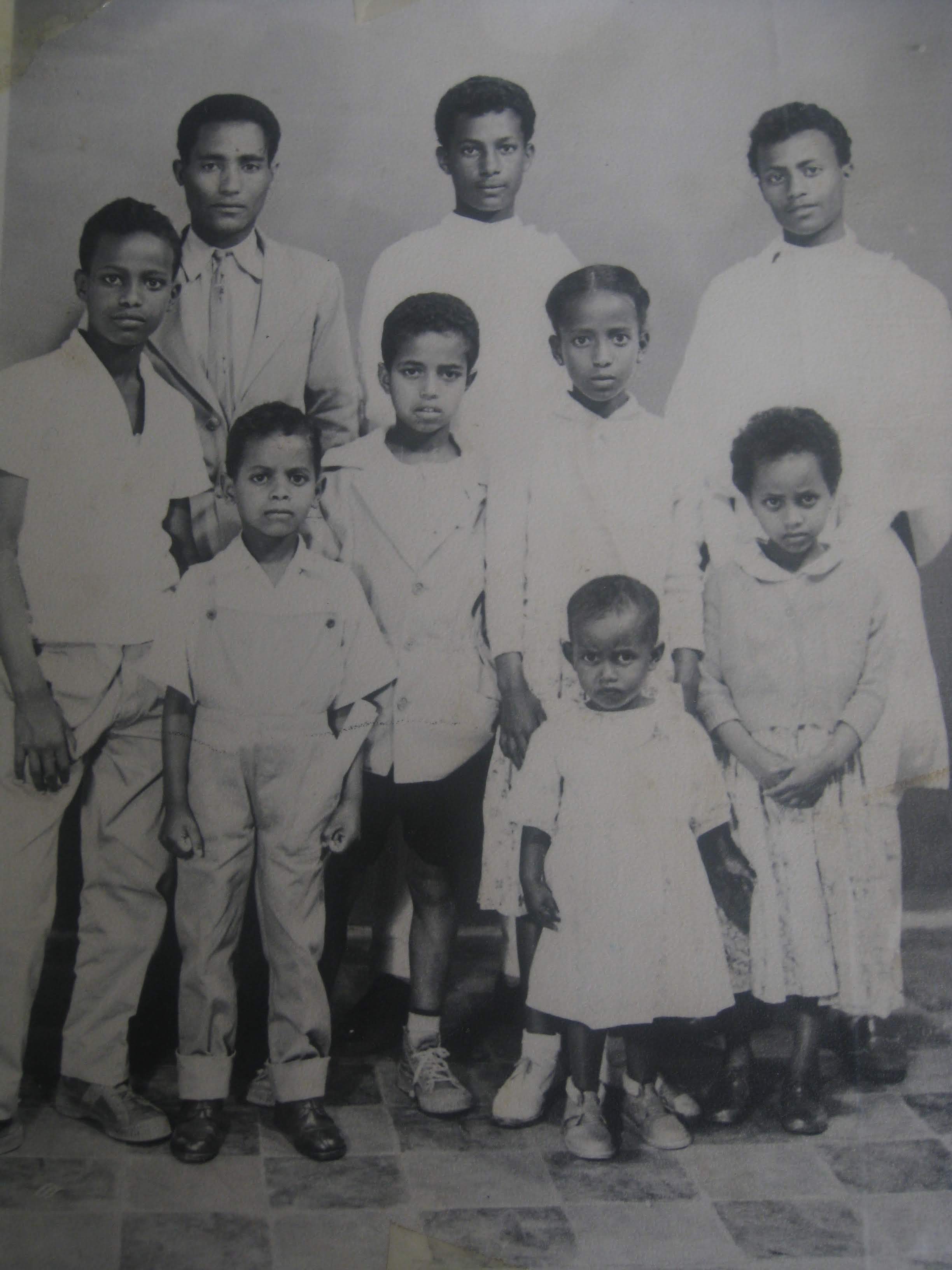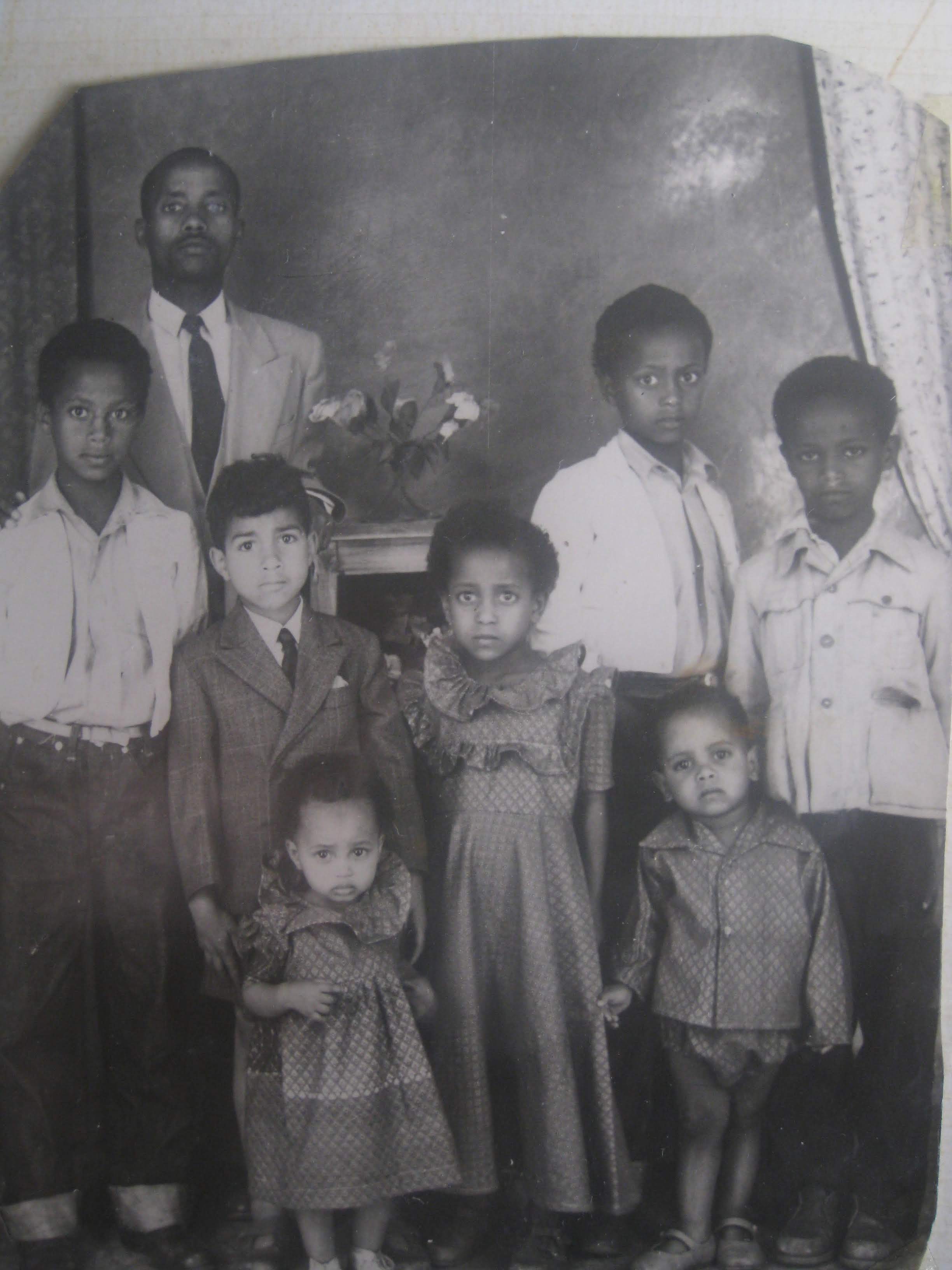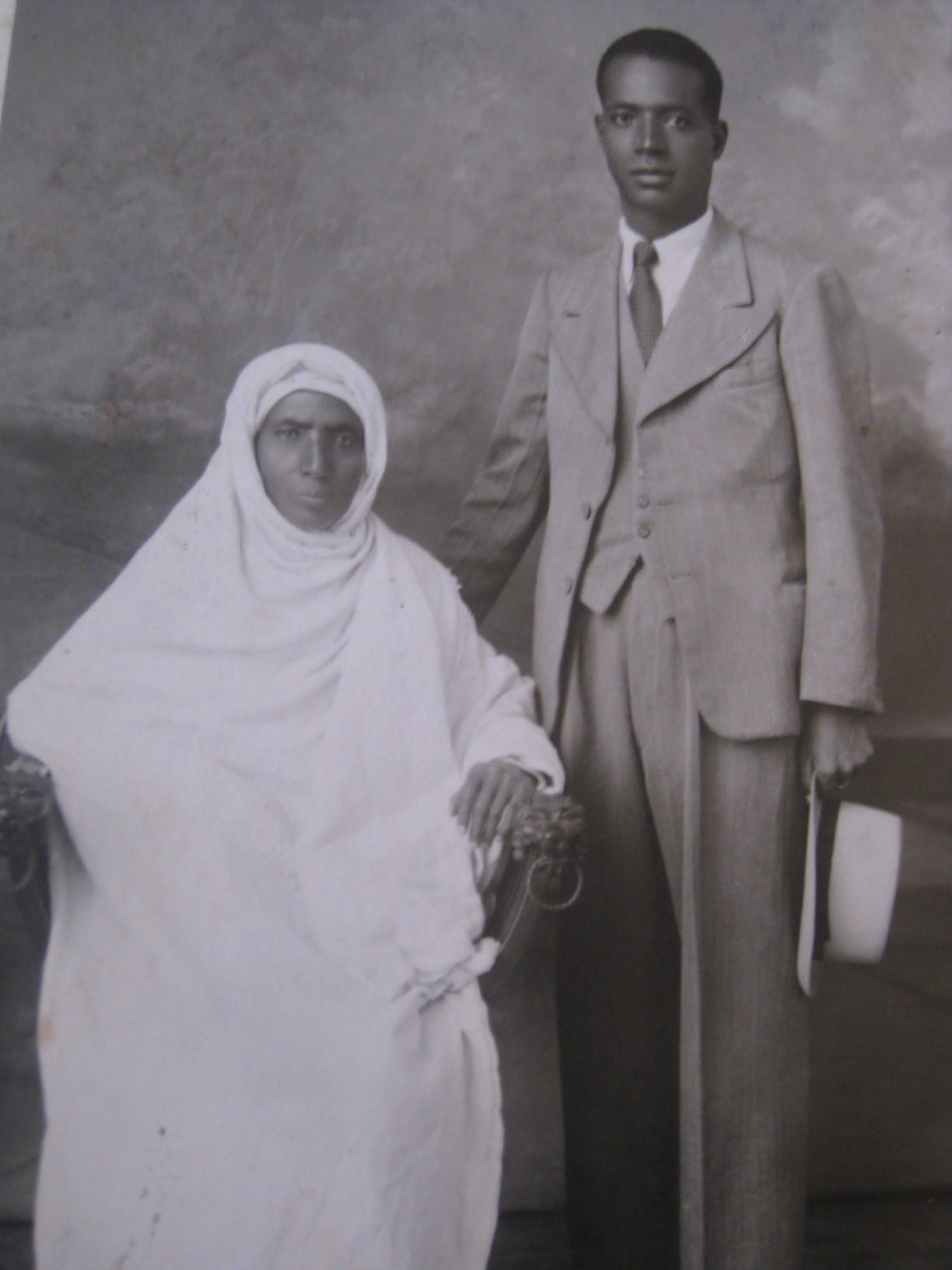
My father was a man who could walk into any room in the city and people would stand. Not because he demanded it — he never demanded anything. It was something else. He had spent his whole life settling disputes between people, and when you do that long enough, people start to trust you with things they would not trust to anyone else. He was the person they called when a negotiation had fallen apart, when two families were at each other's throats, when somebody needed to be told the truth and nobody else would do it.
He started as a young man collecting taxes for the district. That does not sound like much, but it meant he knew every merchant, every farmer, every trader who passed through the market. He knew who was struggling and who was prospering. He knew who was honest and who was cutting corners. That knowledge gave him a kind of authority that had nothing to do with a title.
I remember one afternoon — two men were fighting in the road near our house, and one of them pulled a knife. People were shouting for someone to stop it. My father walked out, called both men by name, and said one word: stop. Both of them froze. He told them to put down whatever they were holding. They did. He said, now you will make peace, and you will start right now. And they did. That was the kind of authority he had. Not the kind that comes from a uniform or a title. The kind that comes from people knowing you will be fair.
Our house was never empty. There was always someone at the door — a cousin, a neighbor, a traveler passing through. My mother fed everyone. She had a system: she could tell from how someone arrived whether they needed coffee, a meal, or a place to sleep, and she would have it ready before they asked. Every year during the festival season, the most important people in the region came to our house. Growing up, I had no idea who they were. I only knew they were important because everyone else got quiet when they walked in.