ተዝታ  ·  tezeta

Amha,
Axum 1955

A father's memories — of saints and stelae, of a country remade and a family scattered across the sea.

25 minute read

Scroll
"My father walked into the governor's office without an appointment and told him the road to the monastery was an embarrassment to the city. Six months later, the road was paved. That was how things were done."

Over seven sessions across three years, a son sat down with his father to record the story of his life — from childhood in the ancient city of Axum, through revolution, exile, and the long work of rebuilding in a new country. What follows is that story, in his own words.

Edited for clarity. Never for character.

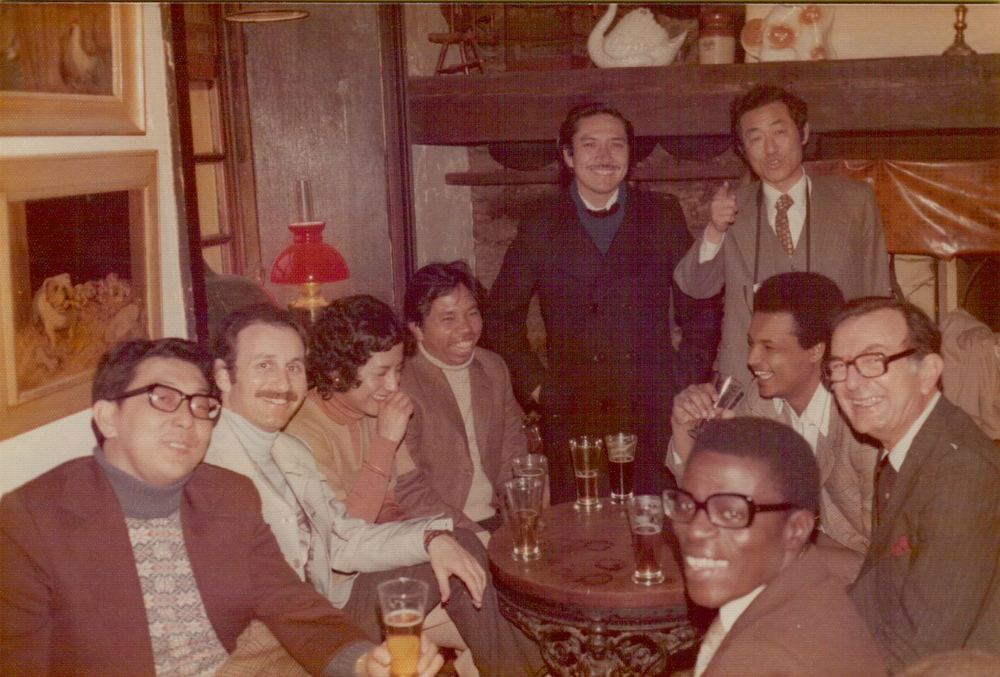
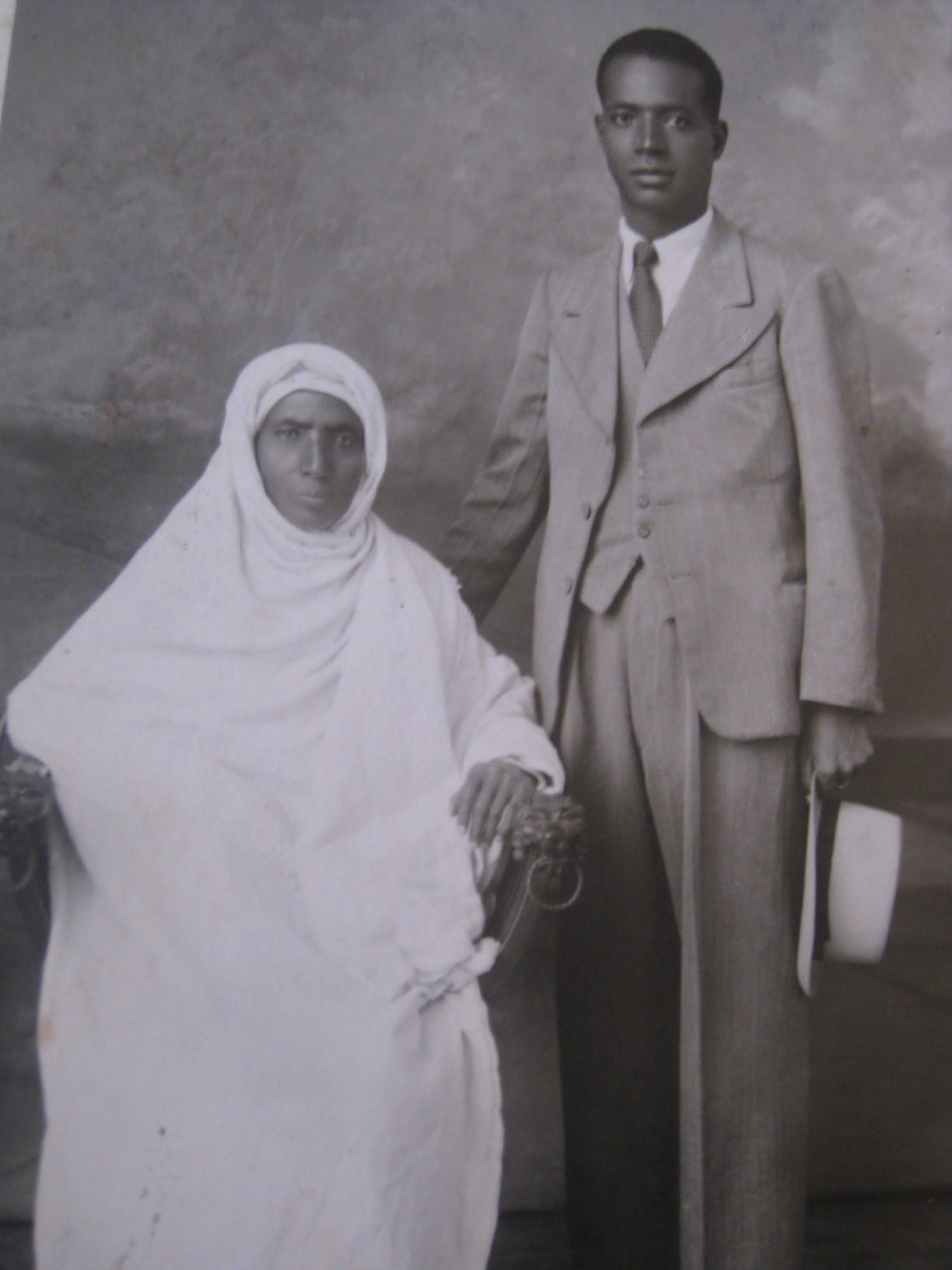
Family photograph

Father and son, Axum, circa 1962

Chapters

  1. 01

    The House on the Hill

    A tax collector, a judge, and a door lowered for an emperor

  2. 02

    The Old Families

    Lineage, the Timkat procession, and the weight of a name

  3. 03

    The Occupation

    Soldiers at the door, a mother's interrogation, and the interpreter who whispered

  4. 04

    Shoes Off for Soccer

    Church school, the governor's breakfast table, and the art of fitting in

  5. 05

    The World Beyond the Mountains

    Shakespeare without context, a bus over a cliff, and the capital

  6. 06

    The Fall

    Revolution, the night of the sixty, and the decision to leave

  7. 07

    Across the Water

    A fellowship, a foreign city, and a life rebuilt from nothing

The House on the Hill

My father was a man who could walk into any room in the city and people would stand. Not because he demanded it — he never demanded anything. It was something else. He had spent his whole life settling disputes between people, and when you do that long enough, people start to trust you with things they would not trust to anyone else. He was the person they called when a negotiation had fallen apart, when two families were at each other's throats, when somebody needed to be told the truth and nobody else would do it.

He started as a young man collecting taxes for the district. That does not sound like much, but it meant he knew every merchant, every farmer, every trader who passed through the market. He knew who was struggling and who was prospering. He knew who was honest and who was cutting corners. That knowledge gave him a kind of authority that had nothing to do with a title.

"What he told me later in life was that the reason he kept in good standing with almost everybody was because he made a decision early on — he was never going to ask for land from anybody. He said, if I have to have it, I have to work for it. He said it creates acrimony, people become angry, and that leads to conflict. So he decided not to do it, and he said that decision changed everything."

I remember one afternoon — two men were fighting in the road near our house, and one of them pulled a knife. People were shouting for someone to stop it. My father walked out, called both men by name, and said one word: stop. Both of them froze. He told them to put down whatever they were holding. They did. He said, now you will make peace, and you will start right now. And they did. That was the kind of authority he had. Not the kind that comes from a uniform or a title. The kind that comes from people knowing you will be fair.

Our house was never empty. There was always someone at the door — a cousin, a neighbor, a traveler passing through. My mother fed everyone. She had a system: she could tell from how someone arrived whether they needed coffee, a meal, or a place to sleep, and she would have it ready before they asked. Every year during the festival season, the most important people in the region came to our house. Growing up, I had no idea who they were. I only knew they were important because everyone else got quiet when they walked in.
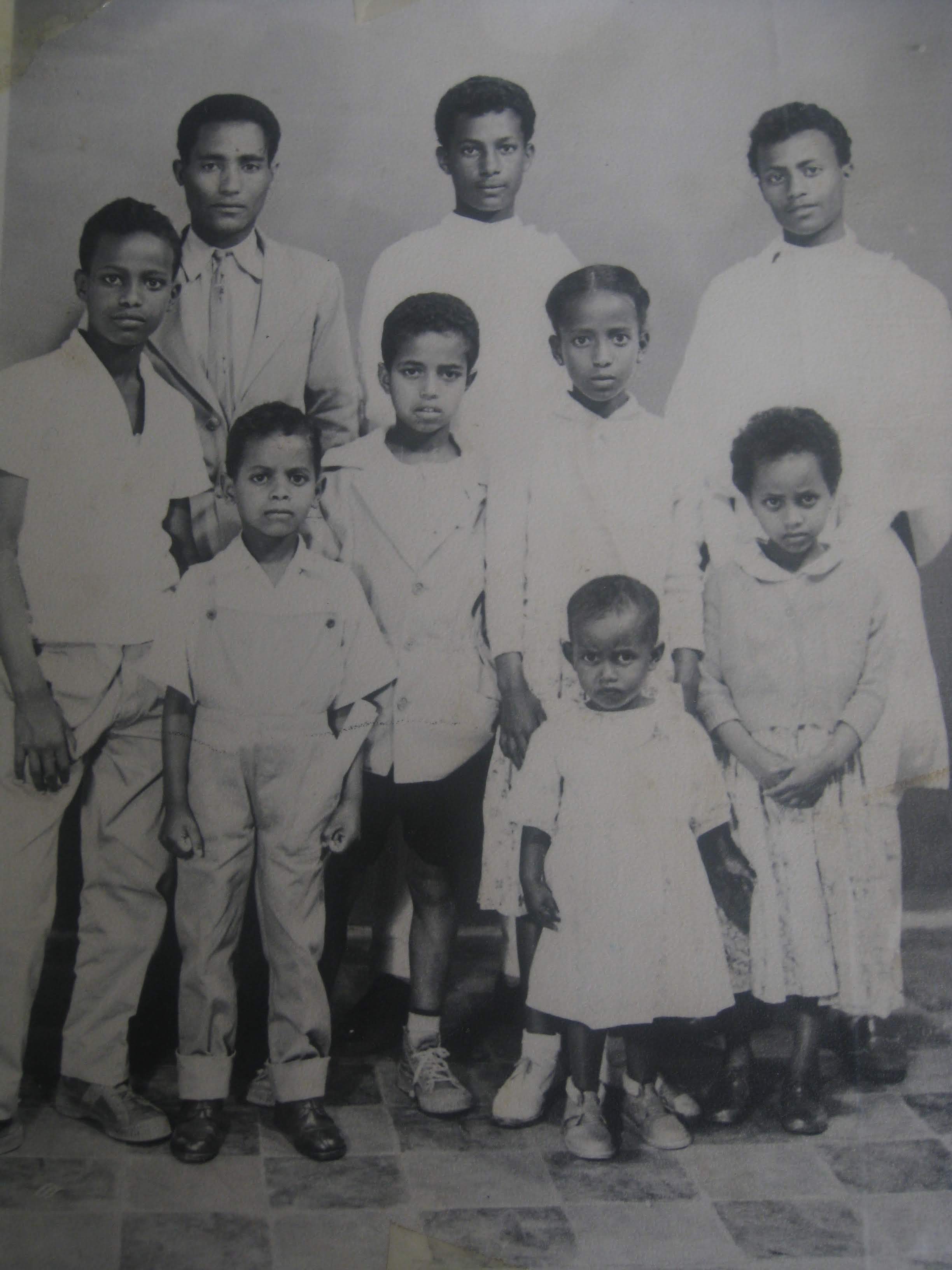
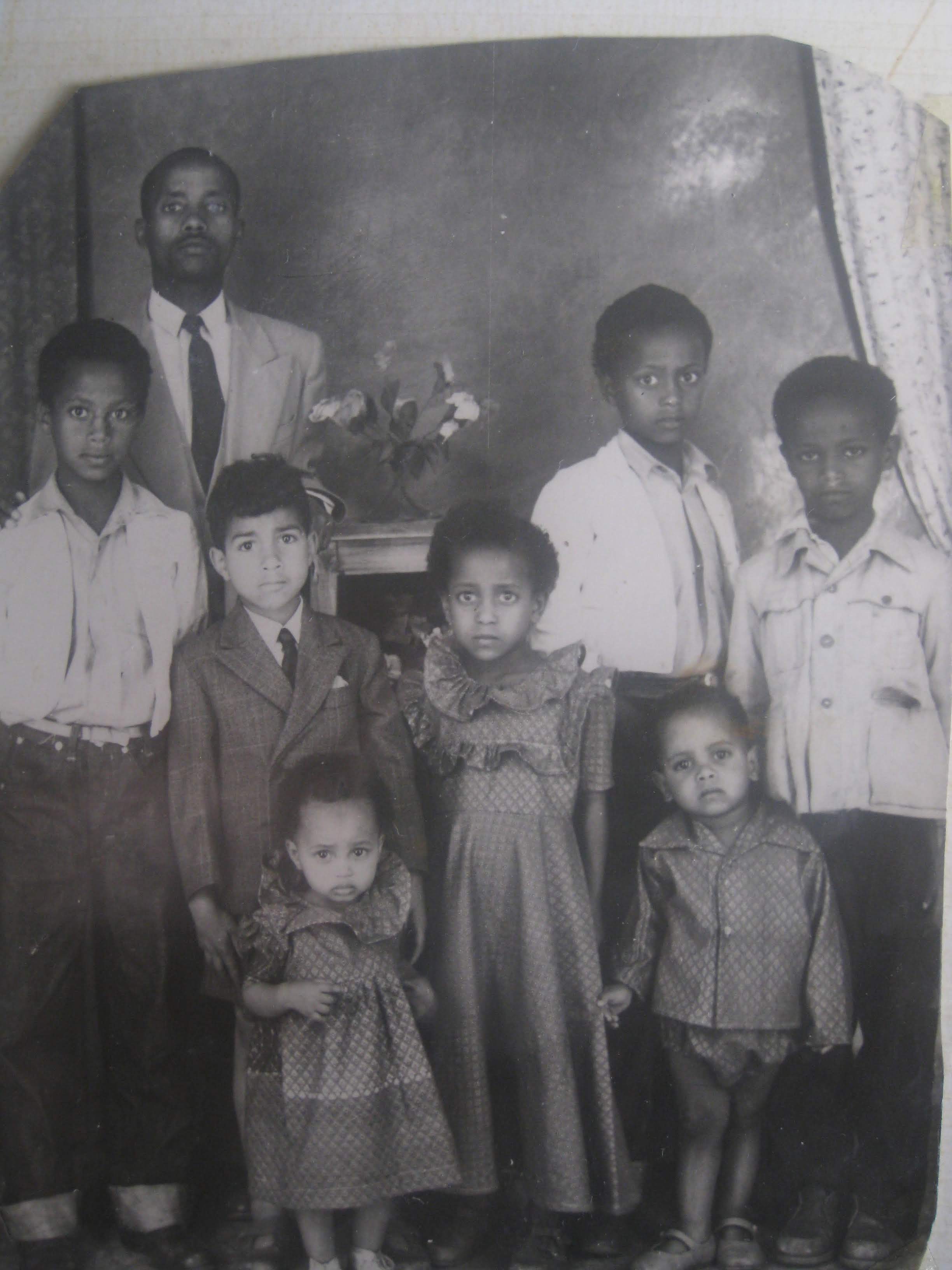
Family photograph

The family compound, photographed in the early 1960s

The Old Families

There were families in Axum who traced their lineage back further than anyone could verify — back, they said, to the time of the great kings. Whether it was literally true is another question. But people believed it and people acted as if it was true, and in the end that is what matters. These were the families that considered themselves the source, the original. The word they used was something like "the root." Nobody was above them, or so they felt, and nobody challenged it often enough to find out.

My father never talked about any of this. I did not understand it until much later, when an aunt grabbed my arm at a family gathering and said, do you know who you are? When you are a child you do not know and you do not care. But it stays with you.

"The underlying logic was simple: this city was the center of everything, the source. We were the original families, and therefore we represented something fundamental. What mattered was not money or power but knowledge of oneself. People would say, I may be poor now, but I know who I am. You may be rich, but you are nobody."

Each year, the families took turns hosting the start of the great procession. Horses and mules were decorated, incense was lit, and the whole city walked together from the elder's house to the church. It rotated: one family this year, another the next, cycling through seven houses over seven years. By the time I was old enough to pay attention, the privileges were mostly ceremonial. But the idea — the idea that you were part of something ancient and unbroken — that never went away.

"May your children go to the capital and your grandchildren scatter everywhere. She used to wonder what that meant. Now, I think, she would know."

The Occupation

When the foreign soldiers came, my father went to the countryside with the other men to fight. They were not well organized. There was no real plan — just a feeling that you could not stay home while your country was being taken. Meanwhile, my mother was alone in the house. The soldiers came and searched the premises. They found a painting on the ceiling — the national flag, woven into the decorations. She had not even known it was there. But they were furious.

She told me she was terrified. They came with an interpreter, a young man from the north who spoke their language. And in the middle of the interrogation, while the officers were shouting, this young man leaned toward her and whispered in Tigrinya: whatever they ask you, say no. They will tell you they know things — they do not know. Be calm. Do not panic. He saved her.

"My grandmother used to say that the city was a place that swallowed people. Her uncle went and never returned. Her brother went looking for him and stayed. Her sister followed and stayed. When I told her I was leaving, she did not speak to me for a week. When I came back after a year, she wept — because she had not expected to see me again."

Before I left, I went to the market one last time. The woman who sold spices recognized me and asked where I had been. I told her I was leaving for good. She reached under her stall and handed me a small cloth pouch of berbere. She said, you will need this where you are going. I still have the pouch. The spices are long gone...

The story continues for four more chapters.

This is a demo of a Tezeta family keepsake — built from real recorded conversations.